Aprofessional fencing contractor does more than install a boundary. The right contractor can recommend a suitable fencing style, assess the property and build the fence to suit Sydney’s conditions.
For North Shore homeowners, local experience is particularly valuable when choosing between different fencing options and dealing with council, site and environmental considerations.
1. Local Experience with North Shore Fencing Projects
Hiring a local fence installer means working with a contractor who regularly deals with the types of properties found across Sydney’s North Shore.
Fencing requirements can vary between council areas. Front fences may have different considerations from side and rear boundary fences, while heritage properties and conservation areas may have additional planning requirements.
A contractor who regularly works in areas such as Wahroonga, Turramurra, Pymble, Gordon, Lindfield and surrounding North Shore suburbs is more familiar with the local conditions that can affect fencing projects.
This can help identify potential issues with fence height, position, access or design before construction begins. Where council approval or further planning advice may be required, homeowners can address this before materials are ordered and installation starts.
2. Choosing the Right Type of Fence for the Property
Professional fencing is not about using the same fence for every property. Different areas of a home require different levels of privacy, security, visibility and maintenance.
Five common fencing options can provide very different results:
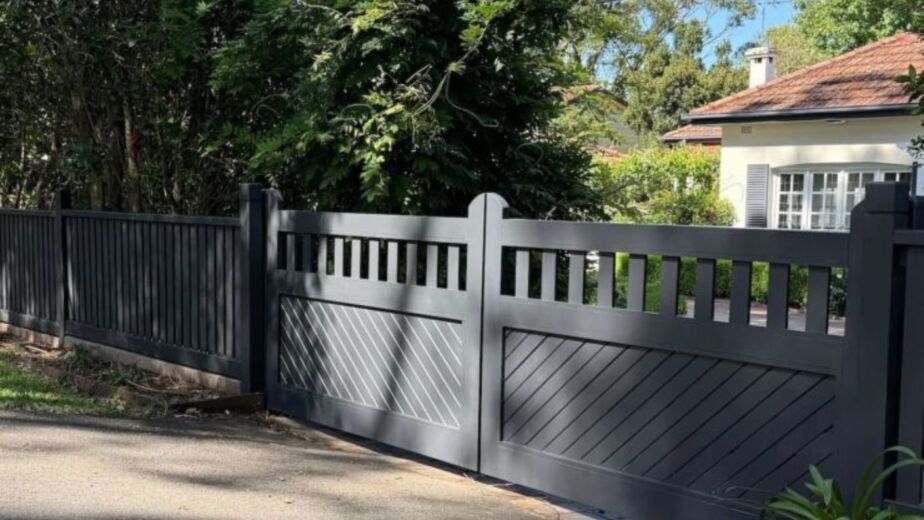
Timber fencing provides strong privacy and a natural appearance. It is well suited to rear yards and residential properties where a solid boundary is preferred.
Aluminium fencing offers a clean appearance with good corrosion resistance and relatively low maintenance. It can be suitable for front boundaries, pool areas and properties exposed to coastal conditions.
Composite fencing provides a modern alternative to timber, with good resistance to weathering and fading and less ongoing maintenance.
Boundary fencing provides clear separation between properties and can be designed around the required level of privacy, security and site conditions.
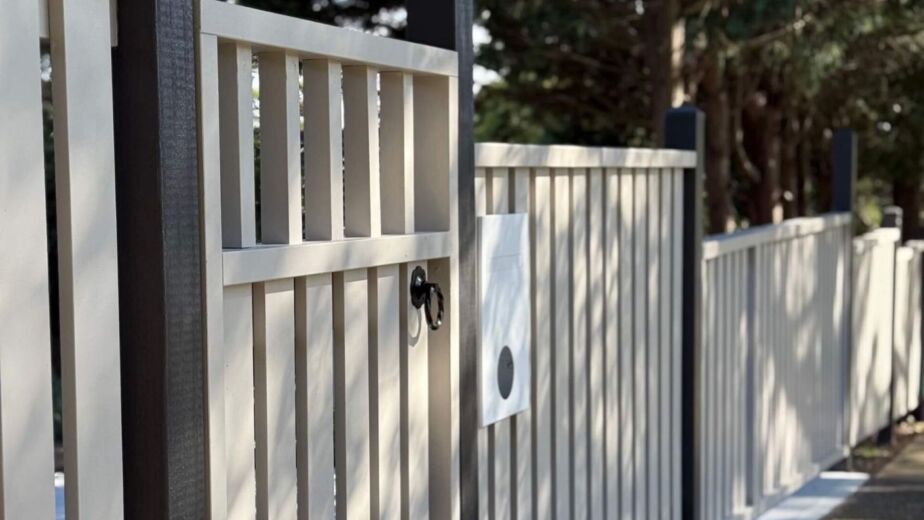
Picket fencing is commonly used at the front of homes where homeowners want to define the property while maintaining visibility and street appeal.
A professional contractor can assess where the fence will be installed and recommend the option that best suits that part of the property.
3. Choosing Fencing Materials for Sun and Coastal Exposure
Sydney’s climate should be considered when selecting a fencing material.
Strong UV exposure can cause some materials to fade and weather, while rain and humidity can increase maintenance requirements. Properties closer to the coast also face salt-laden air, which can accelerate corrosion of unsuitable metal components.
Aluminium is a useful option for many coastal properties because it is naturally resistant to corrosion and does not develop conventional iron rust. Where marine exposure is significant, the specific aluminium grade, finish and supporting components should be selected appropriately.
Timber can also work well in Sydney but generally requires more maintenance when exposed to strong sunlight and moisture. Protective coatings and regular maintenance help preserve its appearance.
Composite fencing can be a practical choice where reduced maintenance and resistance to fading are priorities. The performance depends on the specific product, so product specifications should be considered before installation.
For steel components, the level of coastal exposure also matters. A professional contractor can recommend materials and finishes based on the property’s location rather than treating every Sydney home the same way.
4. Coastal Fencing Requires the Right Fixings and Hardware
Choosing a suitable fence material is only part of building a durable coastal fence.
Salt air can affect posts, screws, brackets, hinges and gate hardware as well as the main fence panels.
This is particularly important for aluminium fencing and gates installed near the coast. The entire fencing system needs to be considered rather than focusing only on the visible sections.
A professional fencing contractor can select suitable fixings and hardware for the environment, helping reduce the risk of premature corrosion and maintenance problems.
5. Professional Installation for North Shore Site Conditions
North Shore properties often have sloping blocks, established gardens, retaining walls and restricted access.
These conditions can make fencing installation more complicated than working on a level block.
A professional contractor can plan the fence line around changes in ground level and determine whether sections need to be stepped. Posts may also need to be positioned carefully around retaining walls, existing landscaping and other structures.
Good preparation helps the finished fence follow the property naturally while maintaining consistent sections and practical access.
6. Stronger Installation and Better Gate Performance
The material alone does not determine how well a fence performs. The supporting structure is equally important.
Post spacing, footing depth, alignment and connections need to suit the fence design and ground conditions. This is particularly important for solid privacy fencing, which can be exposed to greater wind pressure.
Gates also require accurate positioning and strong support. Poorly installed gate posts can lead to sagging, movement and alignment problems.
Professional fencing contractors understand these details and build the supporting structure before completing the visible fence.
7. A Better Result for the Property
A professionally installed fence should look like it belongs with the home.
Front fencing contributes to street appeal, while rear and side fencing needs to provide the right balance of privacy and practicality.
Timber and picket fencing can complement traditional homes and established gardens. Aluminium and composite fencing can suit more contemporary properties.
The fence should also work with existing driveways, landscaping, gates and outdoor areas. Professional planning helps ensure these elements work together rather than appearing as separate additions.
8. Less Rework and Better Long-Term Value
Professional fencing contractors measure and assess the property before installation. This helps reduce problems such as incorrect fence lines, uneven sections, unsuitable material choices and poorly positioned gates.
Getting these decisions right from the beginning can reduce the likelihood of repairs or modifications later.
A professionally installed fence may also require less corrective work throughout its service life because the materials, structure and site conditions have been considered together.
Conclusion
The benefit of hiring professional fencing contractors in Sydney is having the right fence properly planned and installed for the property.
For North Shore homeowners, local experience can help with council considerations, difficult site conditions and material selection. Whether the project calls for timber, aluminium, composite, boundary or picket fencing, the choice should reflect the property’s use, appearance and exposure to Sydney’s weather.
Professional installation brings these decisions together, helping create a fence that provides the privacy, security, durability and appearance the property needs.