A boundary fence does more than divide properties. It shapes privacy, security, and how a home presents to the street. In Sydney, different fencing styles suit different property layouts and usage needs.
Choosing the right fence option comes down to function, appearance, and how much maintenance is acceptable over time.
Key takeaways
- Timber fencing is widely used for residential privacy and general backyard boundaries
- Boundary fencing is focused on clear property separation and practical use
- Aluminium fencing suits modern homes and low-maintenance requirements
- Composite fencing offers a consistent finish with reduced ongoing upkeep
- Picket fencing is mainly used for front areas and street-facing presentation
1. Timber fencing
Timber fencing is a common choice across Sydney residential properties, particularly in backyard and side boundary areas where privacy is important.
It creates a solid screen that helps define outdoor spaces and reduce visibility between neighbouring properties.
Pros:
Provides strong privacy and suits natural garden settings.
Cons:
Exposed to weather over time and requires regular upkeep to maintain condition.
2. Boundary fencing
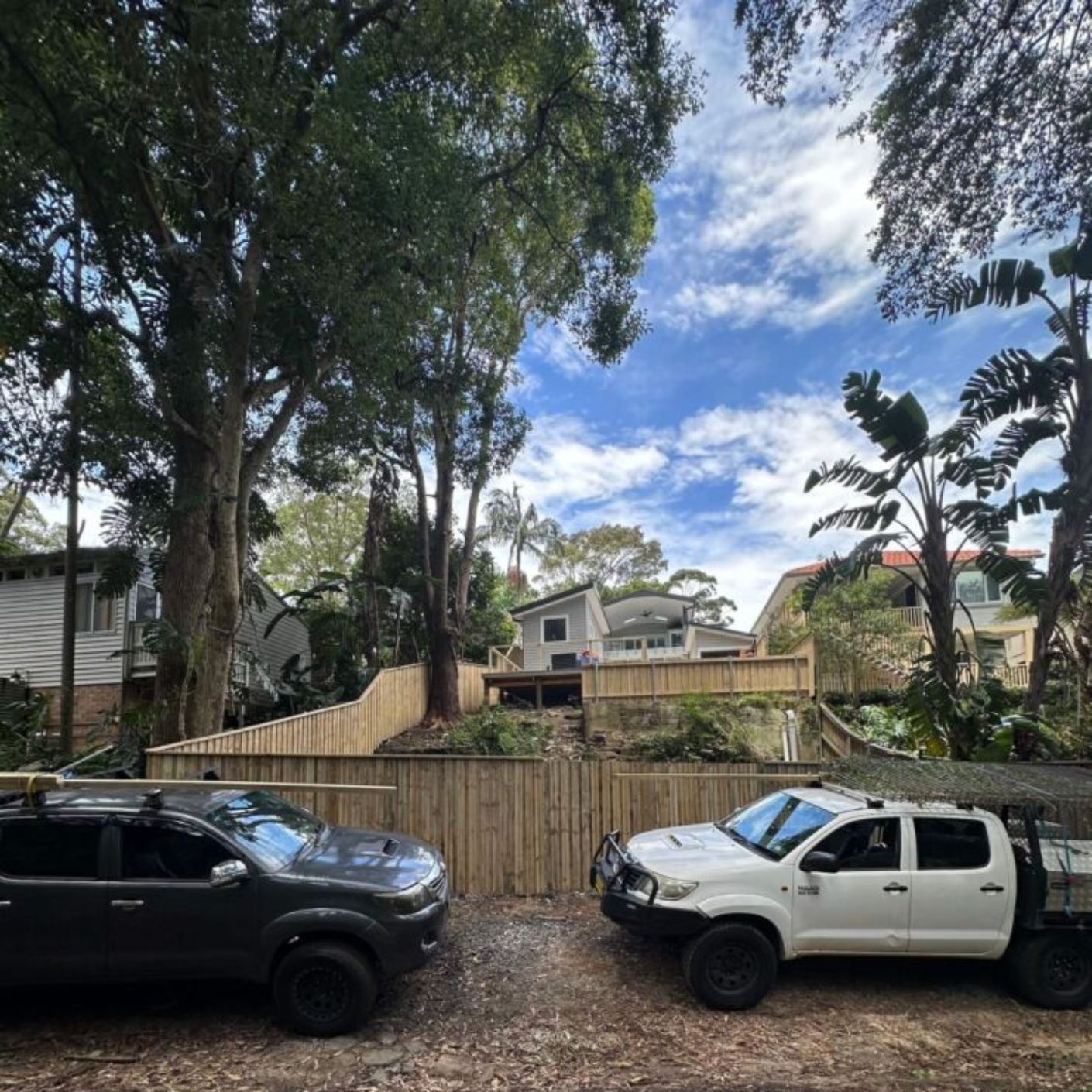
Boundary fencing is designed primarily to mark property lines clearly and consistently. It is commonly used along side and rear boundaries in suburban Sydney homes.
It focuses on structure and function rather than decorative design, making it a practical choice for general property division.
Pros:
Simple, functional, and adaptable to different site layouts.
Cons:
Less emphasis on visual detail compared to other fencing styles.
3. Aluminium fencing
Aluminium fencing is often used in front and side boundary areas where a clean and modern appearance is preferred.
It performs well in outdoor conditions and is commonly chosen for its durability and ease of maintenance.
Pros:
Weather resistant and low maintenance with a neat finish.
Cons:
Does not provide full privacy due to open design options.
4. Composite fencing
Composite fencing is selected for its consistent appearance and suitability in modern residential settings. It is often used where a more refined finish is required across visible boundary areas.
It maintains its look well over time and reduces the need for frequent maintenance.
Pros:
Stable appearance and low ongoing maintenance.
Cons:
Generally higher upfront cost compared to basic timber options.
5. Picket fencing
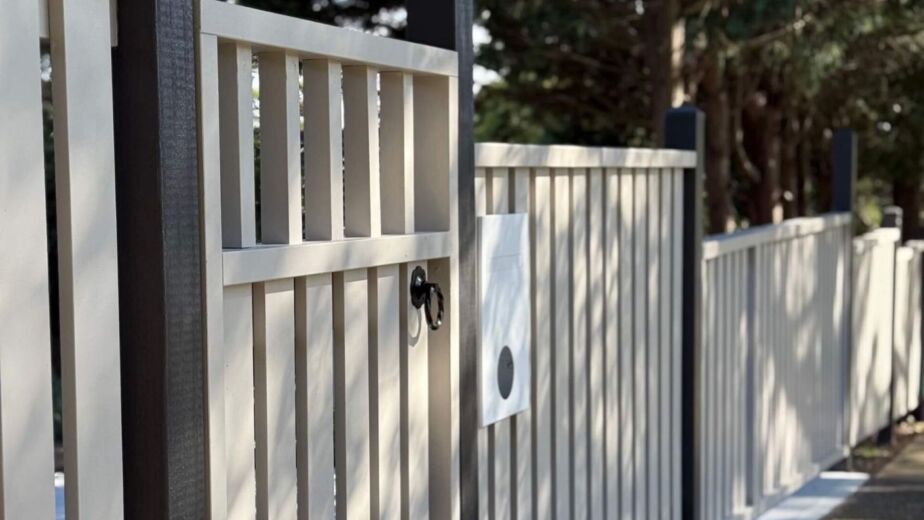
Picket fencing is most commonly used at the front of Sydney homes, where presentation and street appeal are a priority.
It defines property boundaries clearly while maintaining openness and visibility from the street.
Pros:
Enhances street presentation and suits traditional home styles.
Cons:
Limited privacy and not designed for strong screening.
Comparison overview
Fence type | Best use area | Maintenance | Main strength | Limitation |
Timber fencing | Backyards | Medium | Privacy | Weather exposure |
Boundary fencing | Property lines | Low | Clear separation | Basic appearance |
Aluminium fencing | Front and side areas | Low | Durability | Low privacy |
Composite fencing | Visible boundaries | Low | Consistent finish | Higher cost |
Picket fencing | Front yards | Low | Street appeal | Limited privacy |
Choosing the right boundary fence
Different areas of a property often require different fencing approaches. Front sections usually prioritise appearance and openness, while rear areas focus more on privacy and enclosure. Side boundaries tend to require a stronger focus on clear separation and durability.
Using the right fencing type in the right area ensures the property works better as a whole rather than relying on a single solution.
Conclusion
Boundary fencing in Sydney is not a one-size-fits-all decision. Each fencing type serves a different purpose, from privacy and structure through to presentation and durability. Choosing carefully helps ensure the fence performs well in everyday use and suits the way the property is actually lived in.