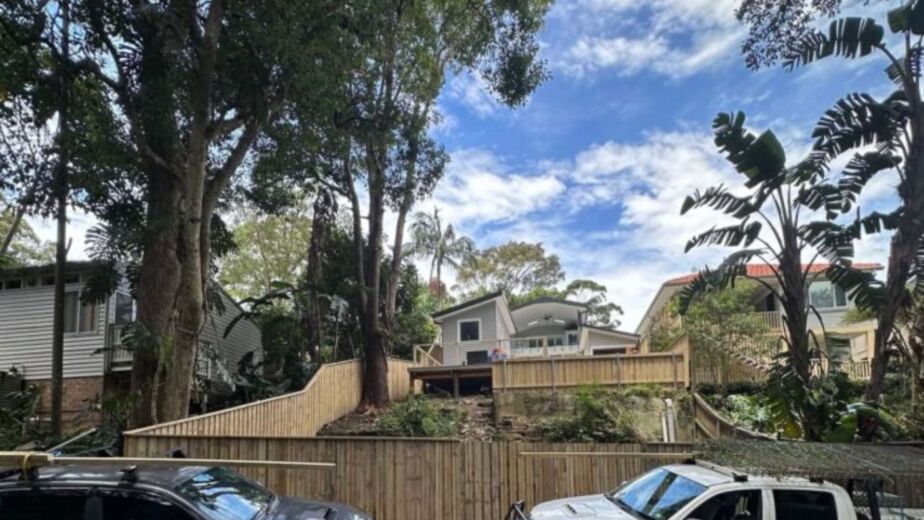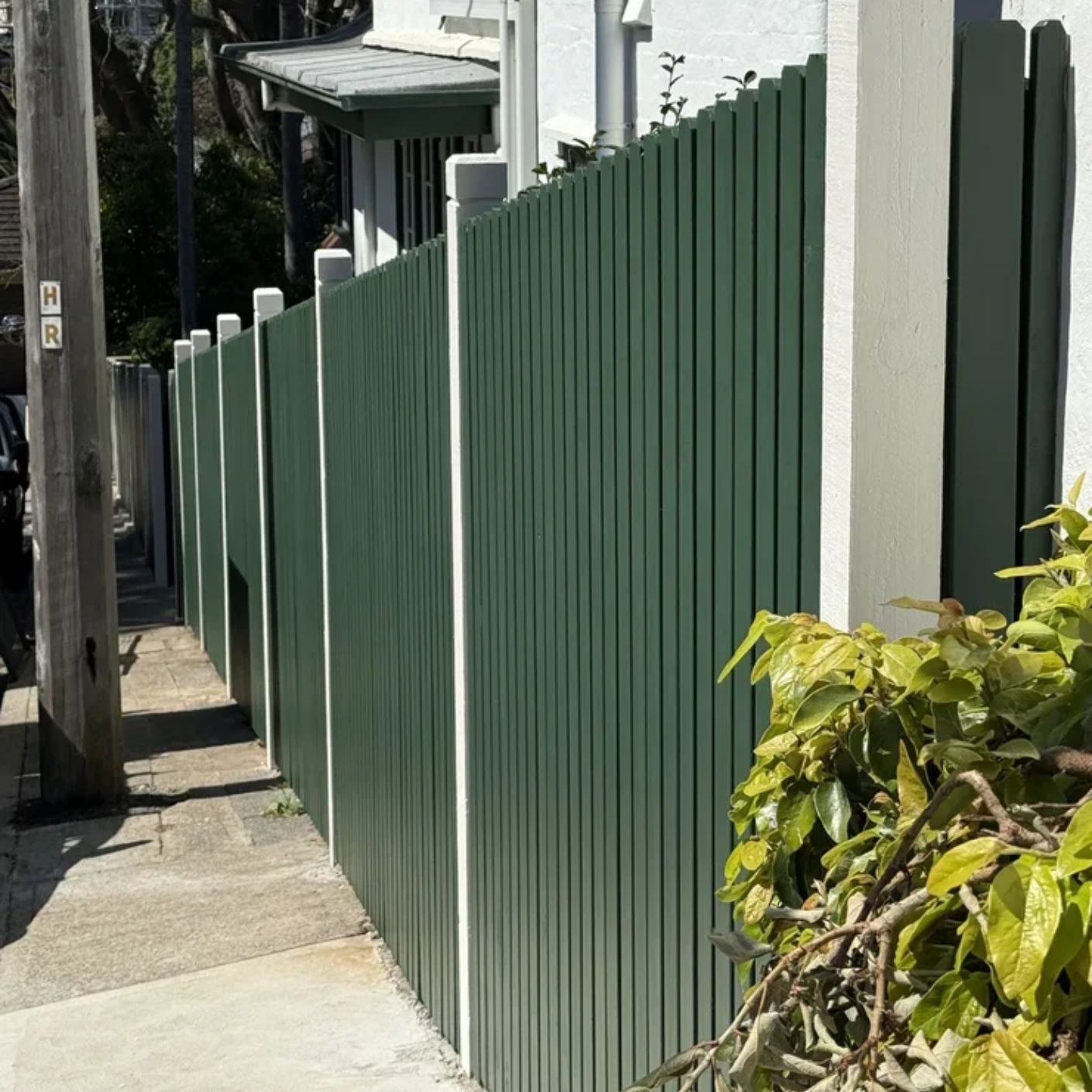
Timber fencing is a popular choice across Sydney homes for its natural look and ability to blend into outdoor spaces. However, unlike metal or composite alternatives, timber is a living material that reacts to weather, sunlight, and moisture.
Without regular upkeep, it can gradually lose its strength and appearance, leading to fading, movement, and surface deterioration.
Why timber fencing needs ongoing care
Timber expands and contracts depending on temperature and moisture levels. Over time, this movement affects both appearance and structure.
In a climate like Sydney’s—where heavy rain, strong sun, and seasonal changes are common—timber fencing is constantly under stress. Maintenance is not optional if you want it to last; it is part of how the material performs over time.
Routine inspection schedule
Regular checks help identify small issues before they become costly repairs.
Every 6–12 months: basic inspection
At least once or twice a year, it is worth walking the fence line and checking key areas.
Focus on:
- Build-up of soil, mulch, or leaves at the base of the fence
- Signs of moisture sitting against lower boards
- Any movement in posts or leaning sections
- Early signs of splitting or surface cracking
Small issues at ground level are often the first indicators of long-term wear.
Surface protection and resealing
Timber fences need a protective coating to maintain durability and appearance. Without it, UV exposure gradually breaks down the surface, leading to dryness and discolouration.
General timeframe
Most timber fences benefit from resealing or staining every 2–4 years, depending on exposure to sun and rain.
What affects frequency
- South-facing fences often wear faster due to sun exposure
- Shaded or sheltered areas may last longer between treatments
- Coastal exposure can accelerate surface breakdown
Types of timber considerations
- Treated pine generally requires protective staining or paint to maintain stability and appearance
- Hardwoods often rely on oil-based treatments to preserve colour and reduce drying
The goal is not just appearance—it is to slow down moisture loss and surface damage.
When maintenance is often overlooked
The most common issue is allowing organic material to build up along the fence line. Soil, plants, and debris trap moisture at the base, which can lead to gradual softening of the lower sections.
Another overlooked area is post stability. Early movement can indicate deeper structural issues, especially where ground conditions shift over time.
Professional maintenance costs
Costs can vary depending on fence condition and access, but professional fencing services usually include two main stages.
Cleaning and preparation
High-pressure cleaning is often used to remove dirt, mould, and surface build-up before any treatment is applied.
This step is important because coatings adhere poorly to dirty or weathered surfaces.
Staining or painting
Once prepared, the fence is treated with protective stain or paint to restore colour and provide a weather-resistant layer.
Pricing is generally influenced by fence height, condition, and total length. Heavily weathered fences may require additional preparation time.
DIY maintenance option
Some homeowners choose to maintain timber fencing themselves, particularly for smaller sections.
Basic requirements include:
- Exterior timber stain or protective oil
- A wide brush, roller, or sprayer
- Basic surface preparation tools
DIY work is usually best suited to fences in fair condition, rather than heavily weathered or structurally weakened sections.
Key takeaway
Timber fencing requires consistent but manageable upkeep. The effort is less about constant repair and more about preventing long-term deterioration.
With regular inspection and timely surface treatment, a timber fence can maintain both its strength and appearance for many years.