When planning a new fence for a home, most people are not just thinking about boundaries. The real decision usually comes down to how the space will be used day to day, how much privacy is needed, and how the fence will suit the look of the property.
In Sydney residential areas, different fence styles are used for different purposes, from front yard presentation to full backyard privacy and clear boundary definition. Each style has a specific role, and choosing the right one depends on where it is being installed and what it needs to achieve.
Here are the 5 common fence styles used in Sydney homes and how they are typically used:
- Timber Fencing
- Aluminium Fencing
- Composite Fencing
- Picket Fencing
- Boundary Fencing
1. Timber Fencing: Privacy for Everyday Living Spaces
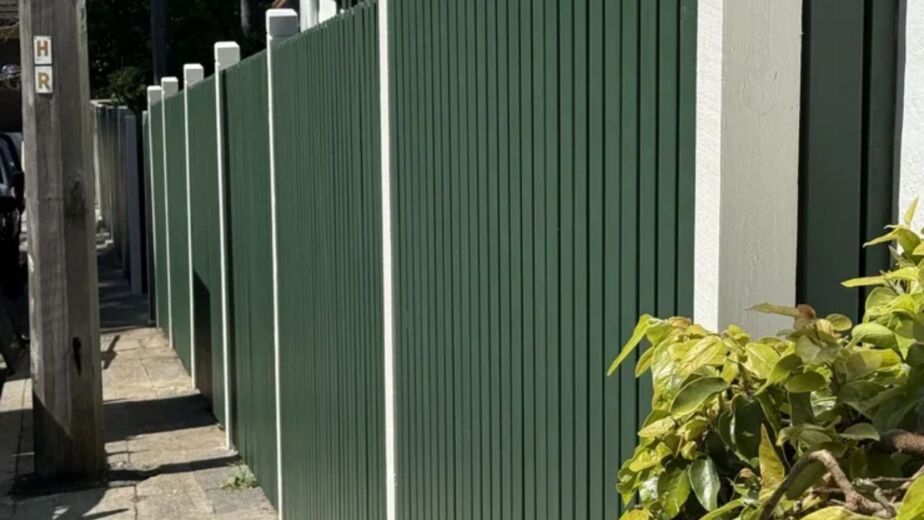
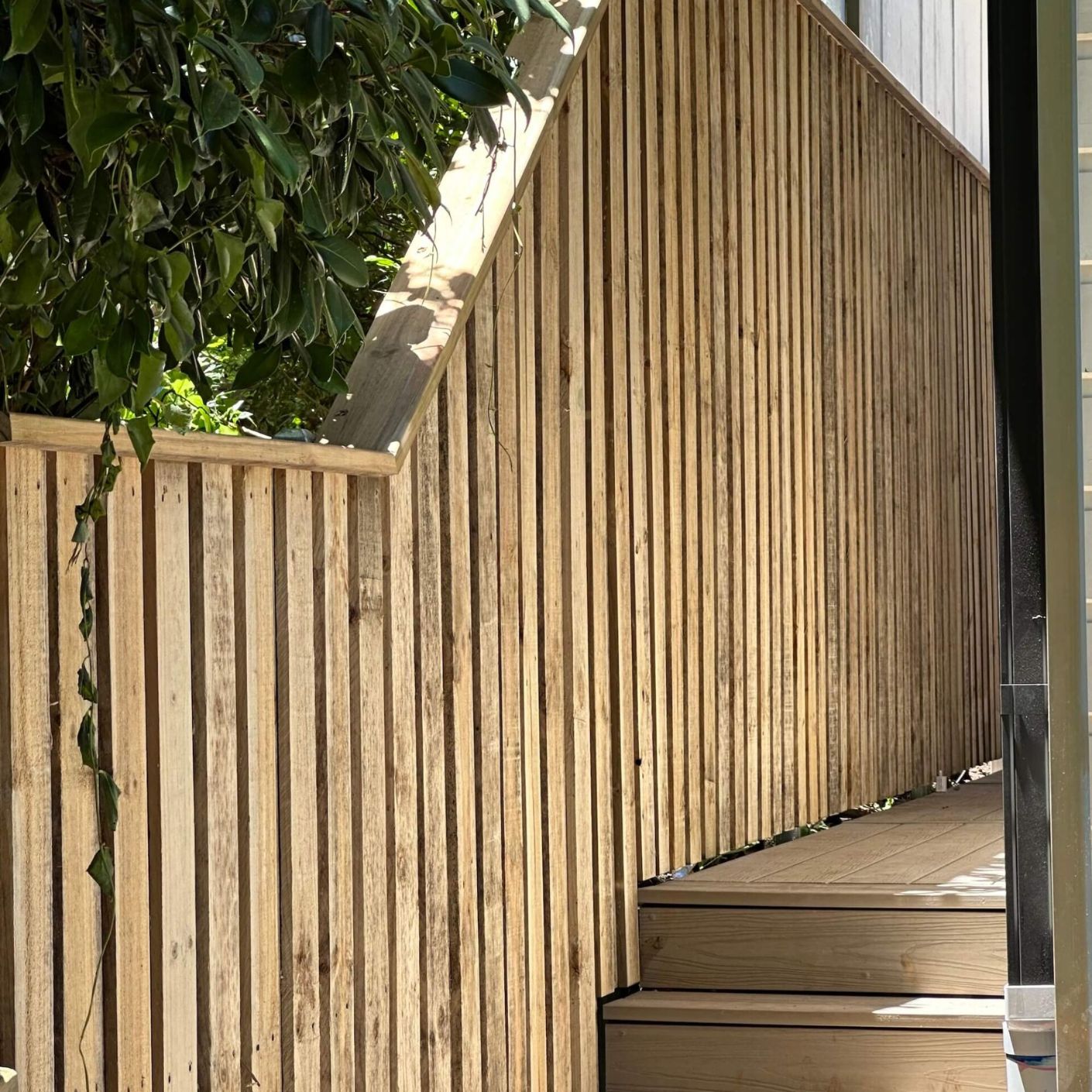
Timber fencing is most often used where privacy is the priority. It creates a solid visual barrier, making it suitable for areas where outdoor space is regularly used by the household.
It works well in rear yards and along side boundaries where screening from neighbouring properties is important. It also suits homes with established gardens, as it blends naturally with greenery and softer landscaping.
Its main drawback is exposure to weather over time, which means it benefits from periodic upkeep to maintain its condition.
2. Aluminium Fencing: Clean Lines for Open Frontages
Aluminium fencing is typically chosen for areas where visibility and structure are both important. It provides a defined boundary without closing off the space.
It is commonly used at the front of properties or in areas where homeowners want a more open feel while still maintaining a clear perimeter. Its lightweight structure also makes it suitable for contemporary home designs.
While it performs well in exposed conditions, it is not intended for full privacy applications.
3. Composite Fencing: Consistent Finish with Reduced Upkeep
Composite fencing is used where homeowners want a timber-like appearance without the ongoing maintenance associated with natural materials.
It is suited to rear and side boundaries where a consistent, modern finish is preferred. It also performs well in areas exposed to changing weather, where stability and appearance retention are important.
Its main consideration is cost, as it generally sits above basic timber options in initial investment.
4. Boundary Fencing: Functional Property Separation
Boundary fencing is used to clearly define property lines, particularly along side and rear edges. Its focus is on function rather than visual design.
It provides a straightforward solution for separating neighbouring properties and establishing clear ownership lines. It is commonly used as the base fencing type in residential layouts.
Because of its practical focus, it is often combined with more design-focused fencing in visible areas of the property.
5. Picket Fencing: Defined Boundaries with an Open Feel
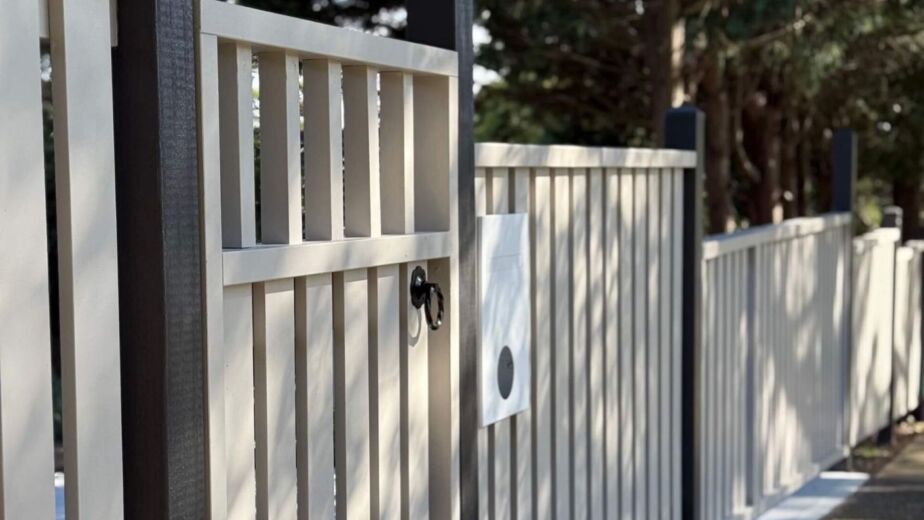
Picket fencing is primarily used in front yard areas where presentation matters more than privacy. It provides a clear boundary while keeping the frontage visually open.
It is often selected for entry zones and garden-facing front spaces where a softer street presence is desired. The design helps frame the home without creating a solid visual barrier.
It is less suited to areas requiring screening or containment.
Choosing the Right Style for Each Area of the Home
Different areas of a property require different fencing approaches. Front spaces usually prioritise appearance and openness, while rear areas focus more on privacy and everyday usability. Side boundaries typically need stronger structural definition due to their length and exposure.
Most well-planned homes use a combination of fencing styles rather than relying on a single option across the entire property.
Final Thoughts
Fence selection works best when it is matched to how each part of the property is actually used. Each style has a clear purpose, and the right outcome comes from placing the right fencing type in the right location.