Picket fencing is a common residential fencing style used mainly in front yard areas. It defines the edge of a property while keeping the home visually open and connected to the street.
Unlike solid boundary fencing, it is not designed to block views or create full privacy. Instead, it focuses on structure, presentation, and clear but gentle separation.
What picket fencing is made up of
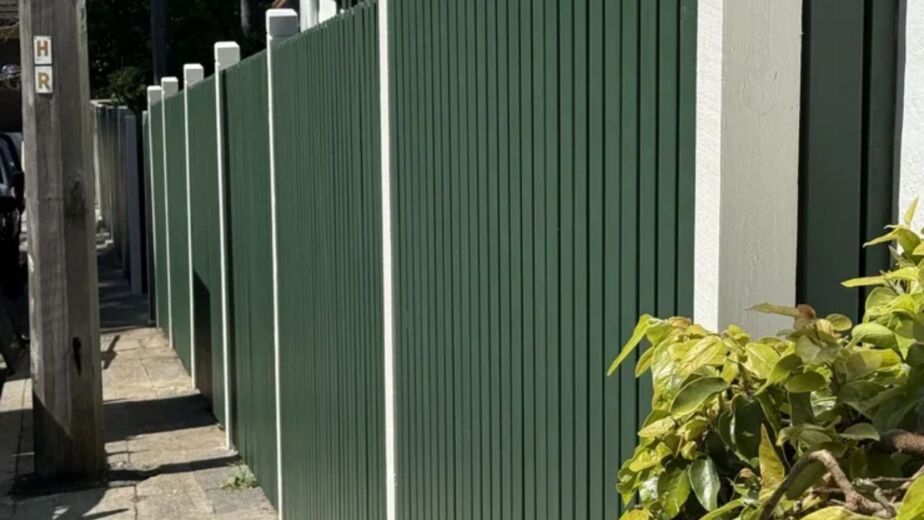
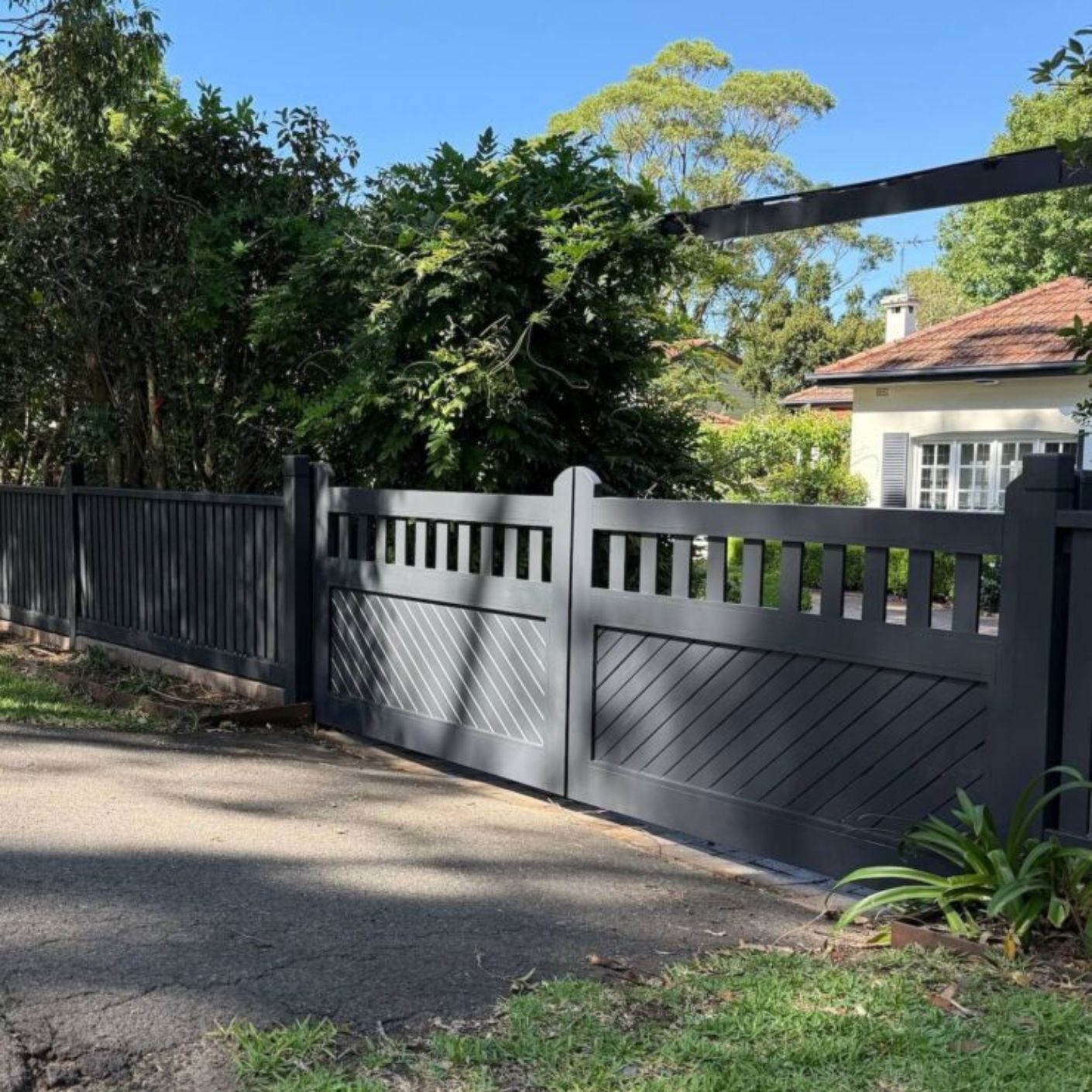
Picket fencing consists of vertical boards fixed onto horizontal rails. The boards are usually evenly spaced and finished with simple tops such as flat, rounded, or pointed profiles.
The spacing between pickets creates a semi-open look. This allows light and airflow through the fence while still marking a clear boundary line.
It is often used where homeowners want structure without a closed or heavy appearance.
Key characteristics of picket fencing
Clear boundary definition without full enclosure
Picket fencing shows property lines in a simple and readable way. It does not fully block visibility, which helps maintain an open streetscape feel.
Lightweight visual presence
Compared to solid fencing systems, picket fencing feels less dominant. It frames a home rather than enclosing it.
Strong focus on presentation
It is often chosen to enhance the front of a home. Gardens, pathways and entrances are visually highlighted rather than hidden.
Flexible design approach
Height, spacing and profile shape can all be adjusted. This allows the fence to suit different home styles, from traditional cottages to more modern residential designs.
Materials for picket fencing
Timber picket fencing
Timber is the most traditional option. It offers a natural look that blends well with garden landscaping and soft outdoor spaces.
It is commonly used in homes where a warm, classic appearance is preferred. Timber also allows easy customisation through paint or stain finishes, which can match exterior features of the home.
However, timber will naturally respond to weather over time, so appearance may change if not maintained.
Composite picket fencing
Composite materials offer a more stable alternative. They are designed to maintain colour and shape with less ongoing maintenance.
This option is often chosen in newer homes or renovated properties where a consistent finish is important. It is also suitable for areas exposed to harsh weather conditions.
Where picket fencing is most effective
Picket fencing is mainly used at the front of the house where visibility and presentation are important.
It helps define the boundary between private property and the street while keeping the overall look open and welcoming.
It is also commonly used around pathways, garden edges, and entry zones where a clear visual guide is needed without creating a solid barrier.
Design factors to consider
Several design choices affect how picket fencing performs visually.
Height plays a key role in how open or defined the front yard feels. Lower fences create a more open appearance, while slightly taller designs offer stronger boundary definition.
Spacing between pickets also changes the overall look. Tighter spacing increases structure, while wider spacing creates a softer feel.
Colour choice is another important factor. Lighter colours often highlight traditional styles, while darker tones can create a more modern appearance.
Maintenance expectations
Timber picket fencing requires periodic maintenance to maintain appearance and protect the surface. This may include repainting or resealing depending on exposure to sun and rain.
Regular checks help ensure the fence continues to look clean and well maintained, especially in visible front yard areas.
Composite materials reduce maintenance needs and provide a more consistent finish over time, making them suitable for homeowners who prefer a lower upkeep.
Conclusion
Picket fencing is best suited to front yard boundaries where presentation and structure are more important than privacy or heavy security.
It defines space clearly while maintaining an open and welcoming feel. When designed well, it becomes part of the home’s overall street presence rather than just a boundary line.