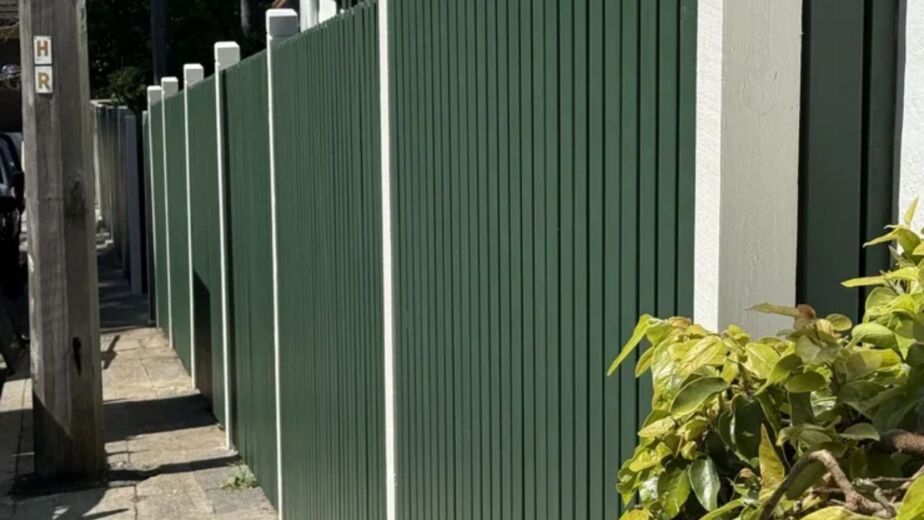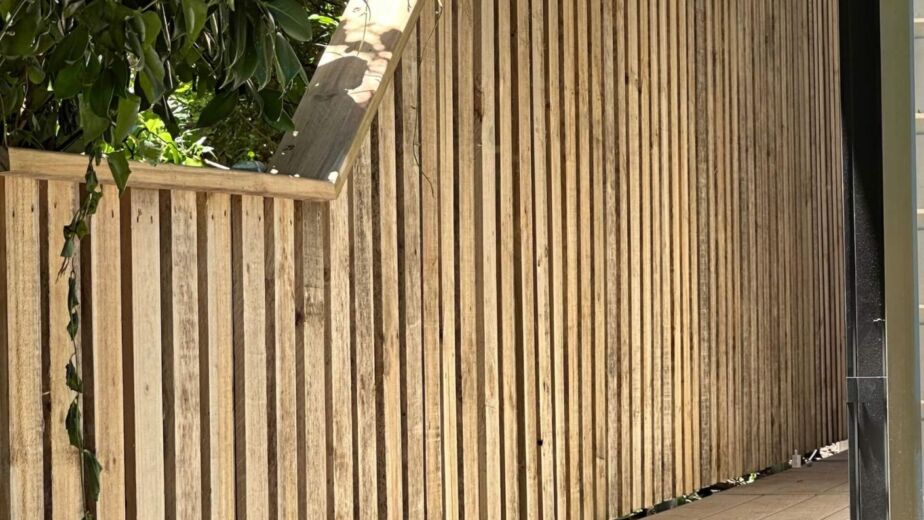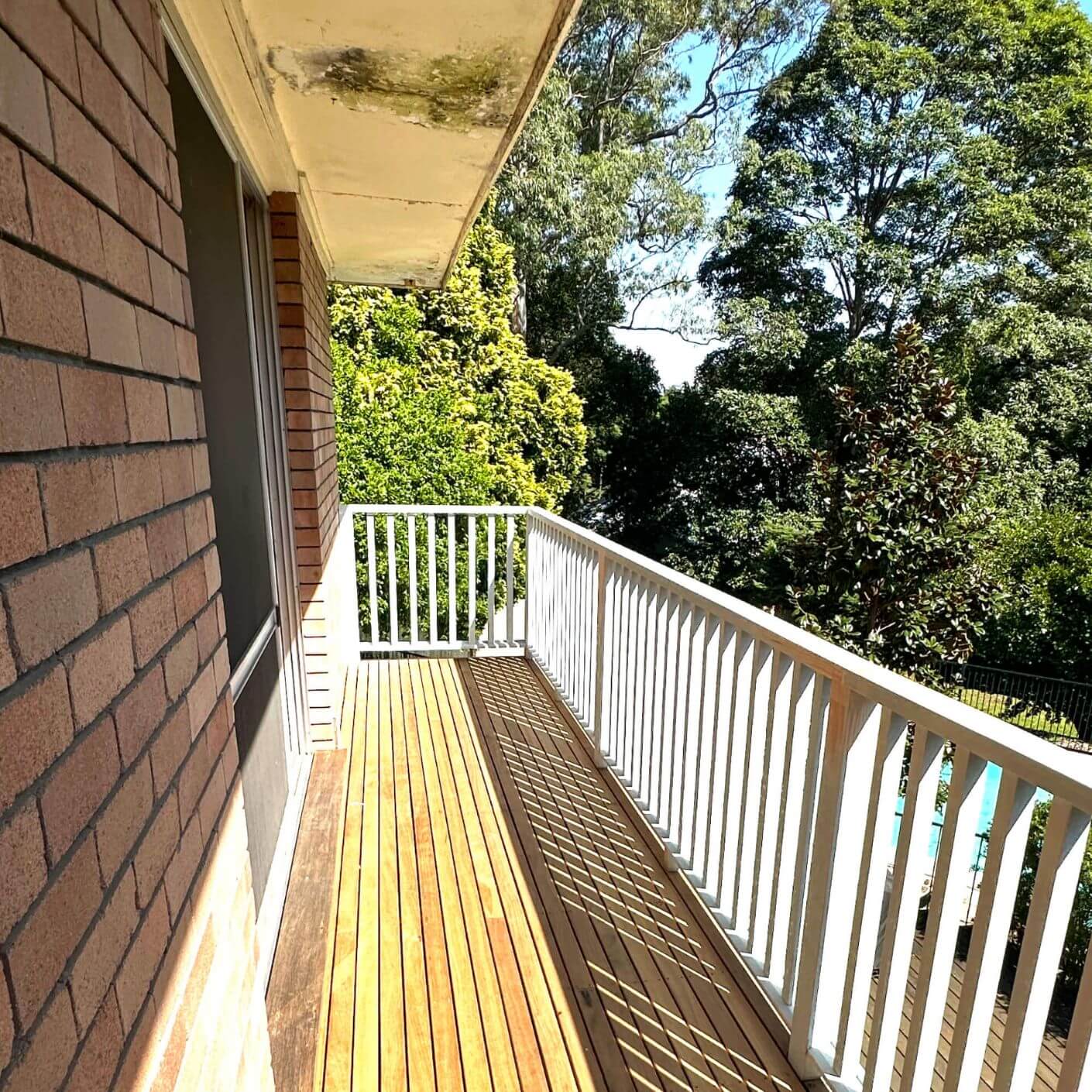
For residential properties in Sydney, fencing is no longer just a boundary marker. It has become part of how a home functions day to day, shaping privacy, safety and how outdoor spaces are used.
In many modern homes, fencing also works alongside wider outdoor improvements such as carpentry features, landscaping design and decking areas to create a more practical and usable living environment.
Why residential fencing matters more than ever
In Sydney suburbs where homes are closely positioned, outdoor areas are often treated as an extension of the home itself. Because of this, fencing plays a much more active role in everyday residential living.
It supports:
- Privacy across living and entertaining spaces
- Safety for children and pets
- Clear separation between neighbouring properties
- Better use of outdoor areas as part of daily life
When combined with well-planned landscaping, carpentry structures and decking spaces, fencing becomes part of a complete outdoor setup rather than a standalone feature.
What makes residential fencing effective
In residential environments, effectiveness is not only about strength but how well the fence integrates with the rest of the property layout.
A well-built system depends on stable installation, consistent alignment and properly designed access points. Gates in particular need to be secure and functional, as they are used frequently in daily routines.
Fencing also needs to work in harmony with surrounding landscaping and any carpentry or decking elements, so the outdoor space feels connected rather than divided into separate sections.
How Sydney homes typically use fencing
Residential fencing is usually applied differently depending on the function of each area of the property.
Front of the home
The front boundary is focused on presentation and controlled openness.
It helps define the property while maintaining a connection to the street. In many cases, it works alongside simple landscaping and entrance carpentry features to create a clear and welcoming frontage.
Key focus areas include:
- Street appeal
- Entry definition
- Visual balance with the home
Backyard living areas
The backyard is where fencing plays a stronger role in privacy and usability.
It supports outdoor living spaces such as decking areas, garden seating zones and entertainment spaces. When combined with landscaping and carpentry features, it helps create a more functional outdoor environment.
Key focus areas include:
- Privacy from neighbouring properties
- Comfortable outdoor living
- Safe enclosed space for family use
- Integration with decking and garden zones
Side boundaries
Side sections of a property are usually more functional and less visible.
These areas often connect different outdoor elements such as driveways, access paths and service zones. Fencing here needs to be durable and consistent, especially when working alongside structural carpentry elements.
Key focus areas include:
- Clear boundary definition
- Practical access routes
- Long-term durability
How residential fencing affects everyday living
Fencing influences how a home feels and functions on a daily basis.
When designed properly, it improves privacy, supports outdoor usability and creates a stronger connection between different outdoor elements such as landscaping, decking and carpentry features.
It becomes part of the overall lifestyle of the home rather than just a perimeter structure.
Maintenance in a residential context
From a homeowner’s perspective, maintenance is about keeping the entire outdoor system working properly.
This includes checking fence stability, gate movement and general wear. When fencing is integrated with landscaping and decking, ongoing care helps maintain both appearance and function across the whole outdoor space.
Residential fencing as part of complete outdoor design
Modern residential projects often treat fencing as one part of a wider outdoor structure that includes landscaping, carpentry and decking.
Instead of designing each element separately, they work together to create a more cohesive and usable space that supports everyday living.
This approach improves both practicality and long-term value of the property.
Conclusion
Residential fencing in Sydney is no longer just about defining boundaries. It plays a direct role in how homes function, especially when combined with carpentry, landscaping and decking elements.
When planned properly, it improves privacy, supports outdoor living and creates a more connected and usable residential environment.
A well-designed system brings all outdoor elements together into one practical and cohesive home layout.